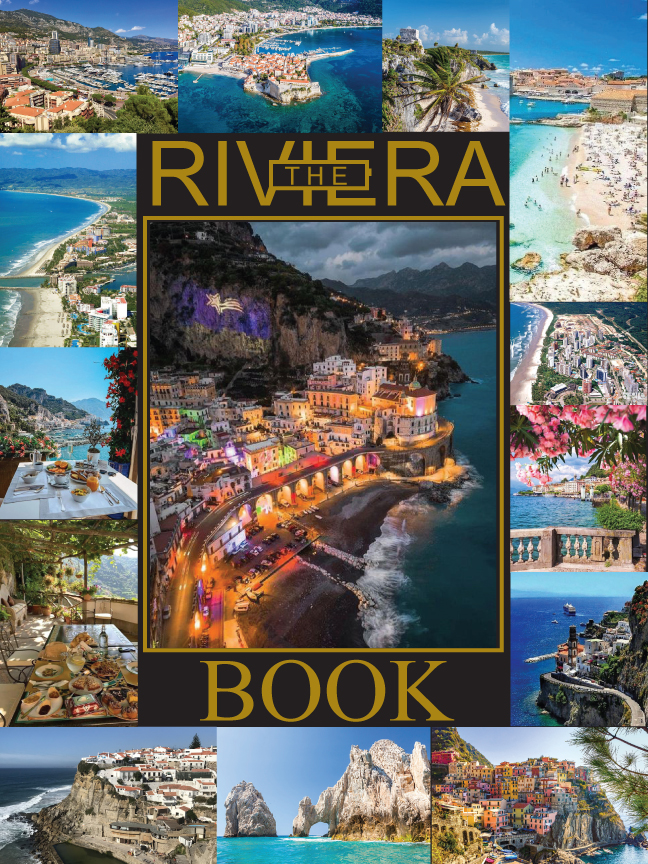
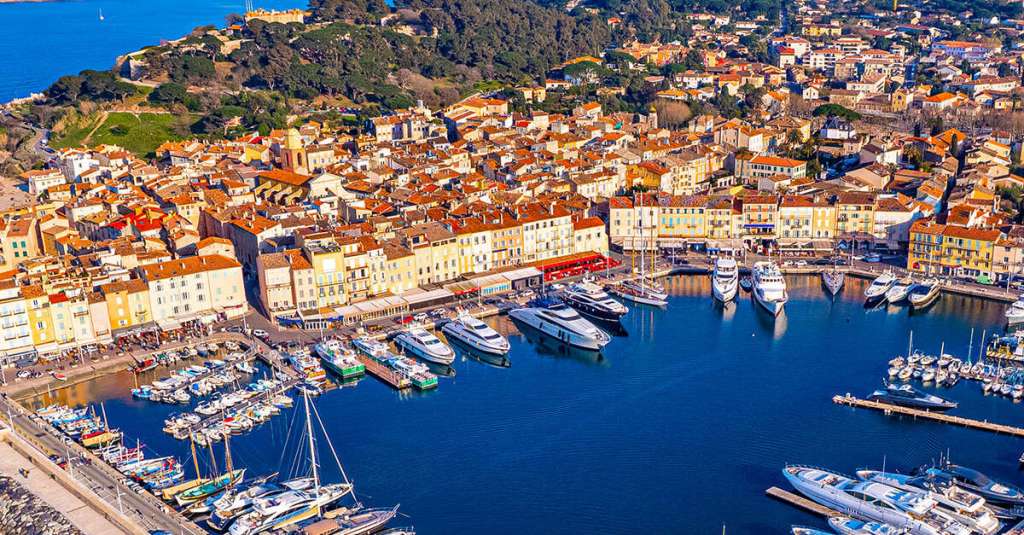
Saint-Tropez (/ˌsæn troʊˈpeɪ, – trəˈ-/ SAN troh-PAY, - trə-,[4][5] French: [sɛ̃ tʁɔpe]; Provençal: Sant Tropetz [san(t) tʀuˈpes]) is a commune in the Var department and the region of Provence-Alpes-Côte d’Azur, Southern France. It is 68 kilometres (42 miles) west of Nice and 100 kilometres (62 miles) east of Marseille, on the French Riviera, of which it is one of the best-known towns. In 2018, Saint-Tropez had a population of 4,103. The adjacent narrow body of water is the Gulf of Saint-Tropez (French: Golfe de Saint-Tropez), stretching to Sainte-Maxime to the north under the Massif des Maures.
Saint-Tropez was a military stronghold and fishing village until the beginning of the 20th century. It was the first town on its coast to be liberated during World War II as part of Operation Dragoon. After the war, it became an internationally known seaside resort, renowned principally because of the influx of artists of the French New Wave in cinema and the Yé-yé movement in music. It later became a resort for the European and American jet set and tourists.
Cannes
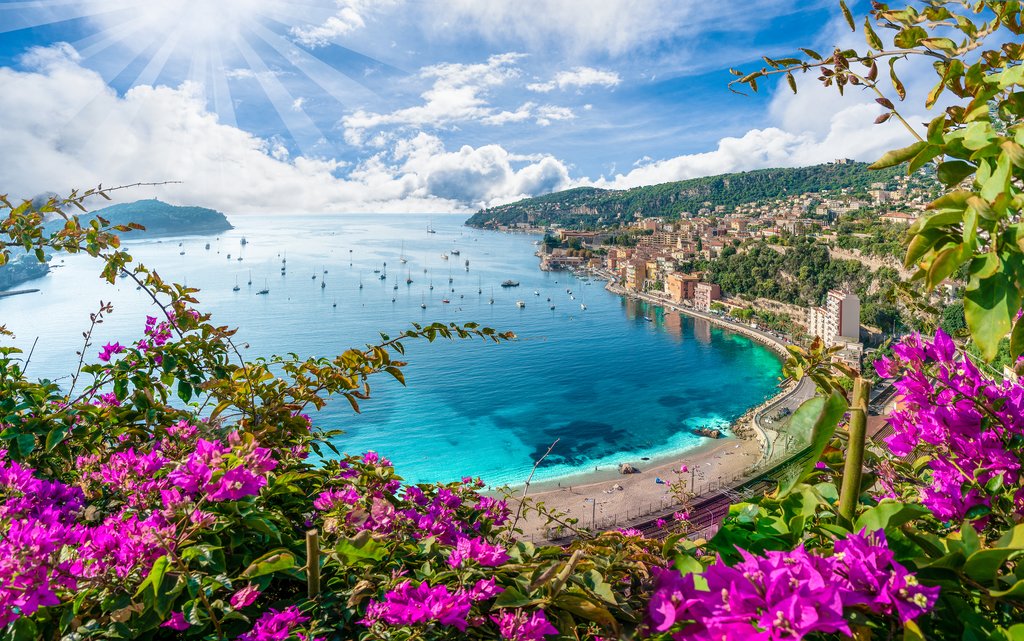
Cannes (/kæn, kɑːn/, KA(H)N; French: [kan] ⓘ, locally [ˈkanə]; Occitan: Canas) is a city located on the French Riviera. It is a commune located in the Alpes-Maritimes department, and host city of the annual Cannes Film Festival, Midem, and Cannes Lions International Festival of Creativity.[3] The city is known for its association with the rich and famous, its luxury hotels and restaurants, and for several conferences.
Galas, regattas, the Film Festival and an outrageously attractive and affluent set characterize Cannes. Vast yachts obscure the view and the town lives up to its motto, “Life is a festival.” People-watching is the activity that brings most visitors to Cannes, and hotel-lined La Croisette provides a fine promenade. First popularized by Coco Chanel, Cannes beaches are a huge draw. Get expensive seaside food and drinks service on hotel sand or opt for the free public beaches, Plages du Midi and de la Boca.
 The Riviera Book